

13 April 2026 Punjab Khabarnama Bureau : In a significant legislative development, the Punjab Legislative Assembly has passed a new Anti-Sacrilege Bill aimed at addressing incidents of religious disrespect in the state. The move comes amid a charged atmosphere, with religious gatherings and public sentiment playing a key role in shaping the discourse around the issue.
The bill seeks to introduce stricter provisions to prevent acts that hurt religious sentiments, particularly those involving sacred texts and places of worship. Over the years, Punjab has witnessed multiple incidents of sacrilege, which have often led to widespread protests and tensions.
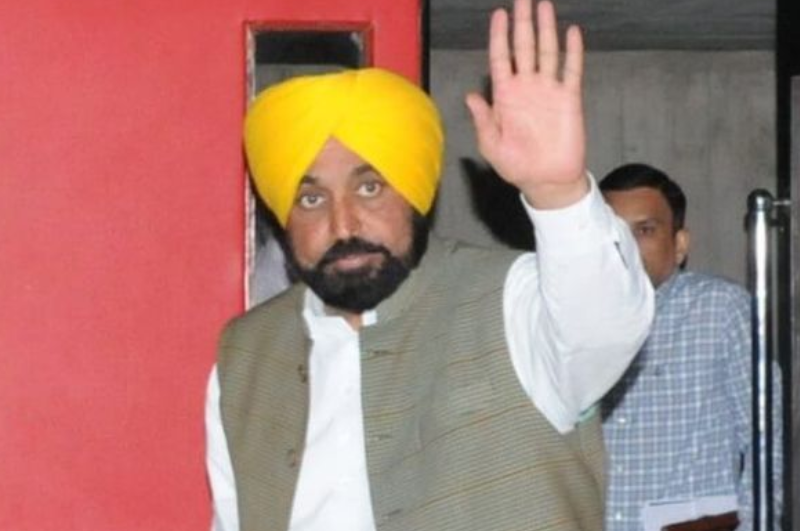
Chief Minister Bhagwant Mann described the legislation as a necessary step to maintain communal harmony and uphold respect for all religions. He emphasized that the government is committed to ensuring that such incidents are dealt with firmly and that justice is delivered promptly.
The passage of the bill during a period of heightened religious activity has added to its significance. Various religious groups have been advocating for stronger legal measures, arguing that existing laws were insufficient to deter such acts.
The proposed law reportedly includes provisions for stringent penalties, including longer prison terms for those found guilty of sacrilege. It also aims to streamline the investigation process to ensure timely action against offenders.
Supporters of the bill have welcomed the move, stating that it reflects the government’s responsiveness to public concerns. They believe that stricter laws will act as a deterrent and help prevent future incidents.
However, the legislation has also sparked debate among legal experts and civil society groups. Some have raised concerns about the potential misuse of such laws, emphasizing the need for safeguards to protect against wrongful accusations.
Opposition parties have offered mixed reactions. While some leaders have supported the intent behind the bill, others have called for a more comprehensive discussion to ensure that the law balances the need for protection with individual rights.
The issue of sacrilege holds deep emotional significance in Punjab, a state with a rich religious and cultural heritage. Incidents involving religious texts, particularly the Guru Granth Sahib, have historically triggered strong reactions.
The government has indicated that it will work closely with law enforcement agencies to implement the new provisions effectively. Training and awareness programs may also be introduced to ensure proper enforcement.
Experts highlight that while legislation is important, addressing the root causes of such incidents is equally crucial. Promoting awareness, education, and interfaith dialogue can play a key role in fostering mutual respect.
The passage of the bill also reflects broader trends in India, where states are increasingly taking legislative measures to address issues related to religious sentiments. However, the effectiveness of such laws often depends on their implementation.
Public reaction to the bill has been largely positive, with many expressing hope that it will bring an end to recurring incidents of sacrilege. At the same time, there is an expectation that the law will be applied fairly and judiciously.
The government’s move is likely to have political implications as well, given the sensitivity of the issue. It may influence public perception and shape political narratives in the state.
As the bill moves towards implementation, attention will focus on how its provisions are enforced and whether it succeeds in achieving its intended objectives.
In conclusion, the Punjab Assembly’s passage of the Anti-Sacrilege Bill marks a significant step in addressing a sensitive issue. While it aims to strengthen legal protections and maintain harmony, its success will depend on balanced and effective implementation.
Summary
Punjab Assembly passed Anti-Sacrilege Bill with stricter penalties to curb religious disrespect, amid strong public sentiment, while debates continue over its implementation and potential misuse.