

9 April 2026 Punjab Khabarnama Bureau : A fragile ceasefire in the Middle East is already under serious strain, as fresh Israeli strikes in Lebanon and rising tensions in the Strait of Hormuz threaten to derail the agreement between Iran and the United States.
The two-week ceasefire, brokered with international mediation, was intended to de-escalate weeks of intense conflict. However, within hours of its announcement, developments on the ground have raised doubts about its durability.
Israel Strikes Lebanon, Dispute Over Ceasefire Scope
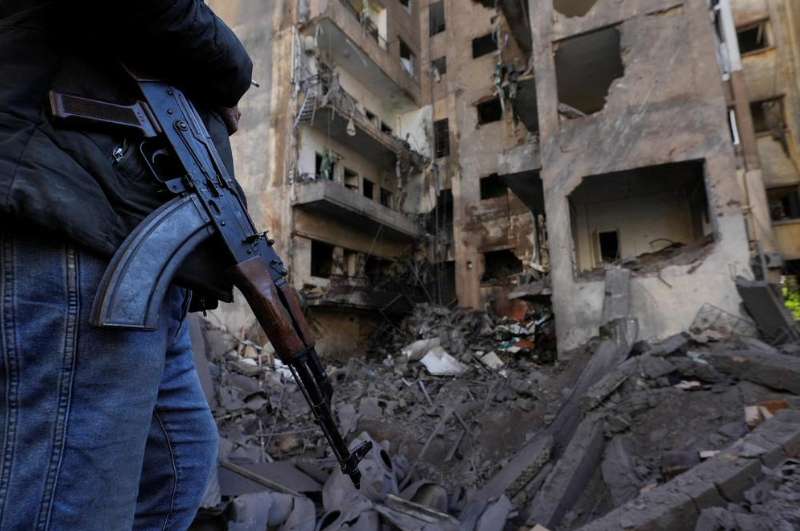
Israeli forces launched large-scale airstrikes targeting Hezbollah positions in Lebanon, with reports of significant casualties and infrastructure damage.
The core issue lies in conflicting interpretations of the ceasefire. While Iran and mediators like Pakistan maintain that Lebanon is part of the agreement, Israel and the United States argue that operations against Hezbollah are not covered.
This disagreement has become a major flashpoint. Iran has accused Israel of violating the ceasefire, warning that continued attacks could lead to a complete collapse of the deal.
Even global leaders have expressed concern. The UK foreign secretary described the strikes as “deeply damaging” and warned they could destabilize the already fragile truce.
Hormuz Tensions: Mines and Maritime Threats
At the same time, tensions have escalated in the Strait of Hormuz—one of the world’s most critical oil transit routes. Iranian-linked reports suggest that sea mines may have been deployed during the conflict, potentially as a strategic pressure tactic.
Although not independently confirmed, the possibility of mines has alarmed global shipping and energy markets. The strait handles a significant portion of the world’s oil supply, and any disruption can have immediate global economic consequences.
Iran has already taken steps that signal its leverage over the waterway. Following Israeli strikes, Tehran moved to halt or restrict tanker traffic through Hormuz, effectively tightening control over maritime movement.
Shipping activity has dropped sharply, with vessels waiting for clarity on safety conditions and ceasefire terms.
Global Energy and Security Concerns
The dual developments—renewed violence in Lebanon and threats to Hormuz—have heightened fears of a broader escalation. Oil prices have surged, and global supply chains are under pressure due to uncertainty in the region.
Experts warn that even a temporary disruption in Hormuz can have cascading effects on global markets, particularly for countries heavily dependent on imported energy.
Meanwhile, thousands of ships and seafarers remain stranded or delayed due to security risks, underscoring the scale of the crisis.
Diplomatic Efforts Under Pressure
International efforts are underway to salvage the ceasefire. European leaders have called for all parties—including those involved in Lebanon—to adhere to the truce and work toward a broader peace framework.
Talks are expected to take place in Islamabad, but the path forward remains uncertain. The fundamental disagreements over the ceasefire’s scope and enforcement mechanisms continue to pose challenges.
The United Nations has also strongly condemned the violence, emphasizing the need to protect civilians and prevent further escalation.
A Fragile Moment for the Region
The current situation highlights how quickly fragile agreements can unravel in complex geopolitical conflicts. While the ceasefire offered a brief window of hope, ongoing military actions and strategic posturing have exposed its vulnerabilities.
Iran’s potential use of maritime pressure tactics and Israel’s continued operations in Lebanon illustrate the broader regional dynamics at play—where multiple fronts are interconnected and difficult to contain.
What Lies Ahead
The coming days will be critical. If hostilities continue in Lebanon or if the Strait of Hormuz remains restricted, the ceasefire could collapse entirely, leading to renewed and possibly wider conflict.
For now, the region stands at a delicate crossroads. Diplomacy is still in play, but the risks of escalation remain high, with implications not just for the Middle East but for the global economy and security landscape.
Summary
Ceasefire between Iran and the US is at risk as Israel strikes Lebanon and Iran signals Hormuz mine threats, raising fears of escalation, disrupted oil supplies, and a broader regional conflict.