

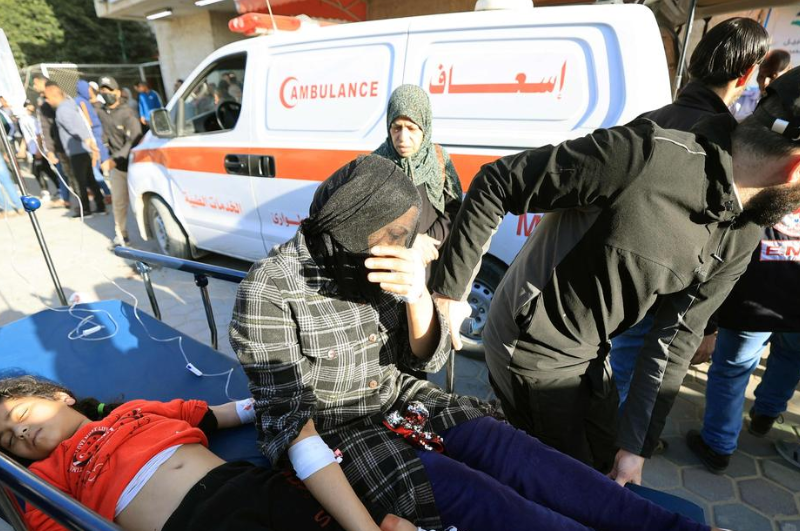
8 April 2026 Punjab Khabarnama Bureau : When war reaches the hospital ward, the consequences extend far beyond the battlefield. Medical facilities—meant to be sanctuaries of healing—are often transformed into chaotic zones of survival, where doctors and nurses struggle to save lives amid limited resources, constant danger, and overwhelming patient loads.
In conflict zones across the world, hospitals frequently become unintended frontlines. Airstrikes, shelling, and ground fighting can damage infrastructure, disrupt supply chains, and force medical staff to operate under extreme conditions. In such scenarios, healthcare workers are not only caregivers but also crisis responders navigating life-and-death situations every minute.
One of the most immediate challenges is the sudden surge in casualties. Injuries from explosions, gunfire, and collapsing buildings flood emergency rooms, often exceeding the capacity of healthcare facilities. Doctors must make rapid decisions about triage—prioritizing patients based on the severity of their injuries and chances of survival.
This process, while necessary, is emotionally taxing. Choosing who receives immediate treatment and who must wait can leave lasting psychological scars on medical professionals. The moral burden of these decisions is one of the most difficult aspects of practicing medicine in war zones.
Compounding the crisis is the shortage of essential medical supplies. War disrupts supply chains, making it difficult to access medicines, surgical equipment, and even basic necessities like clean water and electricity. In some cases, doctors are forced to improvise with whatever resources are available, increasing the risk of complications and infections.
Healthcare workers themselves are not immune to danger. Hospitals have been targeted in several conflicts, either deliberately or as collateral damage. This not only endangers lives but also violates international humanitarian laws designed to protect medical facilities and personnel.
The psychological toll on patients is equally severe. Survivors of war-related injuries often suffer from trauma, anxiety, and depression. Children, in particular, are vulnerable, as exposure to violence can have long-term effects on their mental and emotional development.
Despite these challenges, stories of resilience and dedication emerge from hospital wards in conflict zones. Doctors and nurses often work long hours without rest, driven by a commitment to save lives. Many continue to serve despite personal risks, embodying the humanitarian spirit of medicine.
International organizations and aid agencies play a crucial role in supporting healthcare systems during conflicts. They provide emergency medical supplies, deploy medical teams, and help rebuild damaged infrastructure. However, access to affected areas can be limited by ongoing violence and security concerns.
The situation also highlights the importance of preparedness. Countries and healthcare systems need to develop contingency plans to respond effectively to emergencies. This includes training medical staff for crisis situations, maintaining emergency stockpiles, and ensuring the resilience of healthcare infrastructure.
Technology has begun to play a role in mitigating some challenges. Telemedicine, for instance, allows specialists to provide guidance remotely, while portable medical devices can help deliver care in resource-limited settings. However, the effectiveness of these solutions depends on connectivity and infrastructure, which are often compromised during war.
Another critical aspect is the need for international accountability. Attacks on healthcare facilities must be investigated, and those responsible must be held accountable. Upholding international laws is essential to ensure the safety of medical personnel and patients.
The broader impact of war on healthcare systems can last long after the conflict ends. Damaged infrastructure, loss of medical professionals, and disrupted services can hinder recovery and affect public health for years. Rebuilding these systems requires significant investment and long-term commitment.
For civilians caught in conflict zones, access to healthcare becomes a matter of survival. Chronic conditions go untreated, vaccinations are disrupted, and maternal and child health services are severely affected. The ripple effects can lead to secondary health crises, including outbreaks of diseases.
As global tensions continue to rise in various regions, the risk of war impacting healthcare systems remains a pressing concern. The phrase “when war reaches the ward” is not just metaphorical—it reflects a harsh reality faced by millions around the world.
Ultimately, the protection of healthcare facilities and personnel must remain a priority in any conflict. Ensuring that hospitals remain safe spaces is not just a humanitarian obligation but a fundamental aspect of preserving human dignity in times of war.
The resilience of healthcare workers offers hope, but it should not come at the cost of their safety. As the world watches conflicts unfold, the silent battles within hospital wards remind us of the true human cost of war—one that extends far beyond the battlefield.
Summary
War severely impacts hospitals, overwhelming doctors, damaging infrastructure, and risking lives. Healthcare workers face extreme conditions, highlighting the urgent need to protect medical facilities and ensure care during conflicts.