

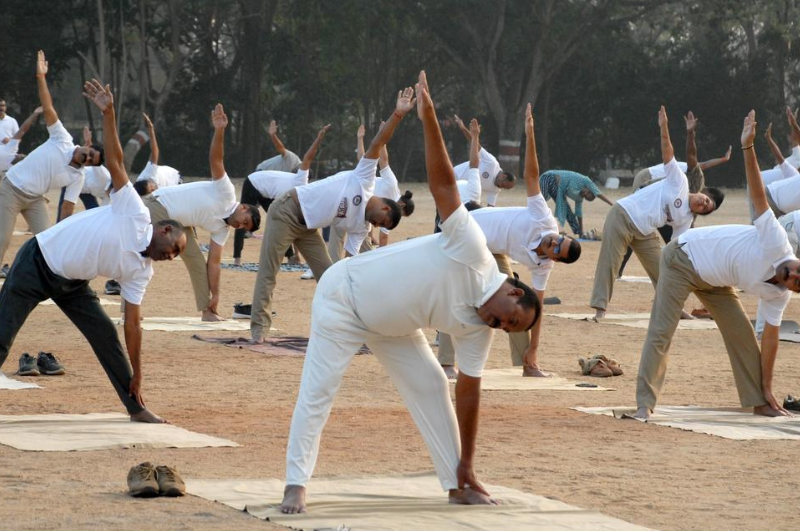
30 March 2026 Punjab Khabarnama Bureau : India has taken a significant step toward tackling the growing burden of lifestyle diseases by introducing new yoga-based health protocols aimed at prevention and long-term wellness. The initiative reflects a broader shift toward integrating traditional practices like yoga into mainstream healthcare to address conditions such as diabetes, hypertension, obesity, and stress-related disorders.
Lifestyle diseases have emerged as a major public health challenge in India, driven by rapid urbanization, sedentary lifestyles, unhealthy diets, and rising stress levels. Health experts have described these conditions as a “silent epidemic,” affecting millions across age groups and placing increasing pressure on healthcare systems.
The newly introduced yoga protocols are designed to provide structured routines that individuals can follow to manage and prevent these diseases. These protocols include a combination of physical postures (asanas), breathing techniques (pranayama), meditation practices, and lifestyle recommendations such as diet and sleep management.
Officials say the initiative is part of a larger push to promote preventive healthcare rather than relying solely on treatment after disease onset. By encouraging regular yoga practice, the government aims to reduce the incidence of chronic illnesses and improve overall public health outcomes.
The protocols are expected to be implemented through various platforms, including wellness centres, educational institutions, community health programmes, and digital outreach initiatives. Training sessions, awareness campaigns, and workshops will also be conducted to educate people about the benefits of yoga and how to incorporate it into their daily lives.
Yoga has long been recognized as a holistic practice that benefits both physical and mental health. It helps improve flexibility, strength, and cardiovascular health while also reducing stress, anxiety, and depression. Experts believe that its integration into daily routines can significantly lower the risk of lifestyle diseases.
In recent years, India has actively promoted yoga at both national and global levels. The International Day of Yoga, observed annually on June 21, has played a key role in raising awareness about the practice. The introduction of standardized protocols marks another step in institutionalizing yoga as a preventive healthcare tool.
The initiative also aligns with the government’s efforts to strengthen the AYUSH system, which includes Ayurveda, Yoga, Unani, Siddha, and Homeopathy. Authorities have been working to integrate these traditional systems with modern medicine to create a more comprehensive healthcare framework.
Experts emphasize that lifestyle diseases require a multi-dimensional approach for effective management. While modern medicine plays a crucial role in diagnosis and emergency care, long-term health outcomes depend on lifestyle changes. Yoga, along with balanced nutrition and regular physical activity, is seen as a key component of this approach.
Several pilot programmes and similar initiatives in the past have shown promising results. For instance, structured yoga programmes have been used to help manage diabetes and improve overall health through a combination of physical activity and lifestyle counselling.
The new protocols are expected to build on these experiences by providing more standardized and scientifically designed routines. This will help ensure consistency and effectiveness in their implementation across different regions.
Public health experts have welcomed the move, noting that preventive healthcare is essential for reducing the long-term burden of chronic diseases. They highlight that early intervention through practices like yoga can significantly reduce healthcare costs and improve quality of life.
However, experts also caution that the success of the initiative will depend on widespread adoption and sustained practice. Awareness campaigns, accessibility, and community participation will be crucial in ensuring that the protocols reach a large segment of the population.
The initiative also has a strong mental health component. With increasing stress levels in modern life, mental well-being has become a major concern. Yoga and meditation are known to improve mental clarity, emotional stability, and resilience, making them valuable tools for overall health.
In addition, the protocols are expected to encourage a shift toward healthier lifestyles, including better dietary habits, regular physical activity, and adequate sleep. This holistic approach is essential for addressing the root causes of lifestyle diseases rather than just treating their symptoms.
The government’s focus on yoga-based protocols reflects a growing recognition of the need for sustainable and accessible healthcare solutions. Unlike many medical treatments, yoga requires minimal infrastructure and can be practiced by individuals of all ages.
As India continues to face the dual challenge of infectious diseases and rising non-communicable diseases, initiatives like these are expected to play a critical role in shaping the future of healthcare. By combining traditional knowledge with modern scientific approaches, the country aims to create a more resilient and health-conscious society.
In conclusion, the launch of new yoga protocols marks an important step in India’s fight against lifestyle diseases. By promoting preventive healthcare and encouraging healthier lifestyles, the initiative has the potential to improve public health outcomes and reduce the burden of chronic illnesses in the years to come.
Summary
India launched new yoga protocols to combat lifestyle diseases like diabetes and stress, promoting preventive healthcare through holistic practices, aiming to improve public health and reduce long-term medical burden.