

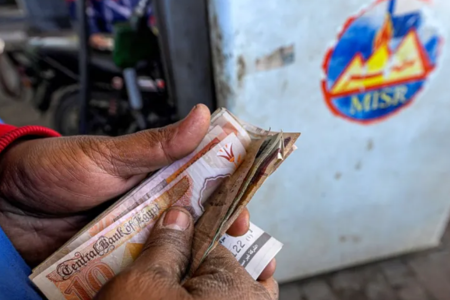
25 March 2026 Punjab Khabarnama Bureau : The ongoing conflict involving Iran is sending shockwaves across the global economy, with developing nations bearing the brunt of rising prices. From Pakistan to Egypt, the war has triggered a surge in fuel, food, and transport costs, worsening inflation and putting pressure on already fragile economies.
Energy Shock at the Core
At the heart of the crisis lies a sharp spike in global energy prices. Disruptions around key oil routes—especially the Strait of Hormuz, through which a significant portion of the world’s oil passes—have constrained supply and driven up crude prices.
Business surveys and global data show that the conflict is already slowing economic growth while increasing inflation worldwide.
For developing economies that rely heavily on energy imports, this has immediate consequences. Higher crude prices translate into increased fuel costs, which ripple through transportation, manufacturing, and food supply chains.
Egypt: Fuel Prices Surge
In Egypt, the impact has been swift and visible. The government recently raised fuel prices by as much as 30%, citing global energy market disruptions caused by the war.
The increase has affected everyday life dramatically. Transport fares have surged, food prices are rising, and households are struggling to cope with the higher cost of living. For many, basic necessities are becoming increasingly expensive.
Market vendors and consumers alike report a domino effect—higher fuel costs lead to increased prices for vegetables, goods, and services, compounding inflationary pressure.
Pakistan: Economic Fragility Exposed
The situation is equally concerning in Pakistan, where the economy was already under strain before the conflict. Rising oil prices have forced authorities to increase fuel rates, fueling inflation and public discontent.
Economists warn that Pakistan’s fragile fiscal position makes it particularly vulnerable to external shocks like rising energy prices. Increased import costs widen trade deficits and put additional pressure on currency stability.
The war’s impact highlights how quickly global events can translate into domestic economic hardship in countries with limited financial buffers.
Broader Impact Across the Global South
The effects are not limited to Pakistan and Egypt. Many countries across Africa, Asia, and Latin America are experiencing similar challenges.
Emerging economies often depend on imported fuel and fertilizers. As prices rise, governments face a difficult choice: either pass costs on to consumers or increase subsidies—both of which strain public finances.
Experts note that countries with weaker fiscal positions are at greater risk. A sustained rise in energy prices could destabilize economies and trigger broader financial stress.
Food and Fertilizer Costs Rising
The conflict is also affecting global food systems. Disruptions in energy supply have increased fertilizer costs, which in turn raise agricultural production expenses.
This creates a cascading effect: higher input costs lead to higher food prices, affecting millions of households, particularly in low-income regions.
Global organizations have warned of a potential food crisis if supply disruptions persist.
Inflation and Growth Concerns
The combination of rising prices and slowing growth has raised fears of “stagflation”—a scenario where economies experience stagnant growth alongside high inflation.
Several major economies have already reported slowing activity and rising costs, indicating that the impact is widespread.
For the Global South, the situation is even more challenging, as higher inflation directly affects living standards and poverty levels.
Policy Dilemmas for Governments
Governments across developing countries now face tough policy decisions. Increasing subsidies can provide short-term relief but may worsen fiscal deficits. On the other hand, passing costs onto consumers risks social unrest.
Central banks may also be forced to raise interest rates to control inflation, which could further slow economic growth.
This balancing act underscores the complexity of managing economic stability during global crises.
Uneven Global Impact
While the entire world is affected, the burden is uneven. Wealthier nations often have stronger financial systems and energy reserves, allowing them to absorb shocks more effectively.
In contrast, developing countries face immediate and severe consequences, making them more vulnerable to prolonged disruptions.
What Lies Ahead
The trajectory of global prices will largely depend on how long the conflict continues and whether energy supply disruptions ease. A prolonged war could keep oil prices elevated, sustaining inflationary pressures.
Any stabilization in the region could provide relief, but uncertainty remains high.
Conclusion
The Iran conflict is not just a regional issue—it is a global economic shock. For countries in the Global South, the consequences are particularly severe, with rising fuel and food prices straining households and governments alike.
As the crisis unfolds, the need for coordinated international responses and domestic policy measures becomes increasingly urgent to protect vulnerable economies.
Summary
Iran war has pushed up global energy prices, triggering inflation across developing nations like Pakistan and Egypt, raising fuel and food costs, and increasing economic pressure on vulnerable populations.