

19 March 2026 Punjab Khabarnama Bureau : Global crude oil prices surged to around $115 per barrel after escalating tensions in the Middle East following attacks by Iran on energy facilities across the Gulf region. The developments have heightened fears of disruptions to global oil supply, triggering sharp reactions in international energy markets.
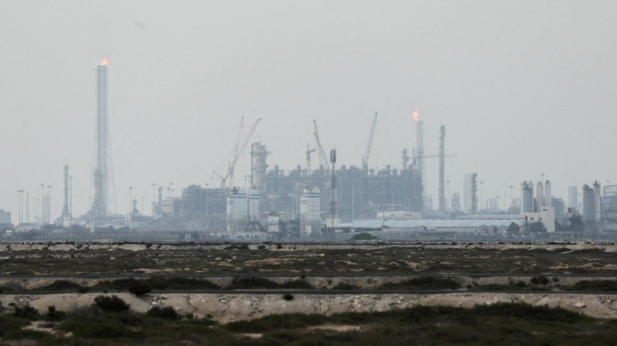
Energy analysts say the surge in crude prices reflects growing concern about the safety of oil production facilities and transportation routes in the region. Several energy hubs in Gulf countries were reportedly targeted, raising fears that the conflict could affect some of the world’s most important oil and gas infrastructure.
The Gulf region is a crucial hub for global energy production. Countries such as Saudi Arabia, Qatar and the United Arab Emirates produce and export large quantities of crude oil and natural gas to international markets. Any threat to infrastructure in these nations can quickly impact global supply and push prices higher.
Market experts say the recent price jump is largely driven by geopolitical uncertainty rather than immediate shortages in production. However, traders often react strongly when conflicts occur in major oil-producing regions because even small disruptions can have widespread consequences.
A major concern for global markets is the security of the Strait of Hormuz. This narrow waterway is one of the world’s most important oil transit routes, with a large portion of global crude shipments passing through it each day. Any disruption to shipping through the strait could significantly affect global energy supplies.
The rise in oil prices is already raising concerns about its economic impact worldwide. Higher crude prices typically lead to increased fuel costs, which affect transportation, manufacturing and consumer goods.
For countries like India that rely heavily on imported energy, sustained increases in oil prices can create pressure on inflation and government finances. Rising fuel costs may also affect household budgets and business expenses.
Financial markets have also reacted cautiously to the developments. While energy companies may benefit from higher crude prices, sectors that depend heavily on fuel, such as aviation and logistics, could face increased operational costs.
Experts warn that if the conflict continues to escalate, oil prices could climb even higher in the coming weeks. In previous geopolitical crises involving the Middle East, crude prices have surged significantly when supply routes or production facilities were threatened.
Governments and global energy organizations are closely monitoring the situation and assessing potential responses. Strategic oil reserves and emergency measures are sometimes used to stabilize markets during periods of extreme volatility.
For now, the spike in crude prices reflects the sensitivity of global energy markets to geopolitical developments in the Middle East. The coming days will be crucial in determining whether tensions escalate further or if stability returns to the region.
Summary
Crude oil prices surged to $115 per barrel after Iran attacked Gulf energy sites, raising fears of supply disruptions and escalating tensions in one of the world’s most critical oil-producing regions.