

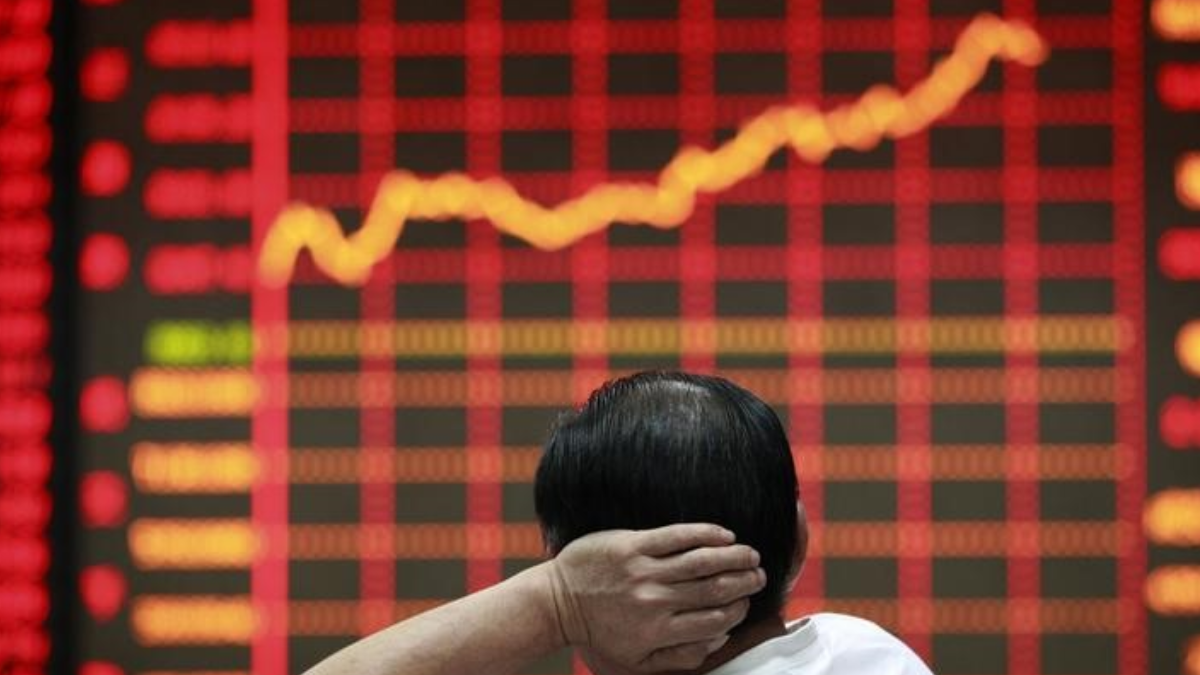
13 March 2026 Punjab Khabarnama Bureau : Stock markets across Asia declined on Friday and were heading for weekly losses as investors remained cautious amid escalating tensions related to the war involving Iran, Israel, and the United States.
Major regional indices fell during trading, reflecting global concerns about rising geopolitical risks and their potential impact on energy supplies. Japan’s Nikkei 225, South Korea’s KOSPI, and Hong Kong’s Hang Seng Index all dropped between about 1% and 1.7% as investors reduced exposure to riskier assets.
Market sentiment remained under pressure because of fears that the conflict could disrupt global oil supply routes, especially through the Strait of Hormuz, one of the world’s most critical oil shipping channels. The risk of supply interruptions pushed oil prices sharply higher, with Brent crude moving above the $100-per-barrel mark.
Higher oil prices often create inflation concerns and increase costs for businesses, particularly in fuel-dependent sectors such as transportation, logistics, and manufacturing. As a result, investors across Asia shifted toward safer assets while selling technology and growth stocks.
Technology companies and export-oriented firms were among the biggest losers in the session. These sectors tend to react strongly to global uncertainty because their earnings depend heavily on international trade and stable supply chains.
Financial analysts say the war in the Middle East has become a major driver of global market volatility. The continued exchange of attacks and the possibility of disruptions to shipping routes have raised fears of a prolonged conflict that could affect energy markets worldwide.
The uncertainty has also affected investor confidence in global equities. Wall Street markets in the United States experienced declines earlier in the week, which further influenced Asian trading sentiment.
Some investors have begun shifting funds toward commodities such as gold or defensive assets as a hedge against geopolitical risks. Others are waiting for clearer signs that the conflict may de-escalate before returning to equity markets.
Despite the losses, analysts say markets could recover quickly if tensions ease or if diplomatic efforts lead to a reduction in hostilities. However, until there is clarity about the conflict’s duration and impact on oil supply, financial markets are likely to remain volatile.
For now, Asian markets are expected to continue reacting to developments in the Middle East, with energy prices and geopolitical headlines likely to remain the biggest factors influencing investor sentiment.
Summary:
Asian stocks declined and headed for weekly losses as Iran war tensions pushed oil prices above $100, raising fears of supply disruptions and triggering cautious sentiment among investors across regional markets.