

10 March 2026 Punjab Khabarnama Bureau : Iran’s powerful military force, the Islamic Revolutionary Guard Corps (IRGC), has stated that Iran will determine when the ongoing conflict in the region comes to an end. The statement was made by an official spokesperson as tensions in the Middle East continue to rise amid ongoing military exchanges and political confrontations.
According to the spokesperson, the decision about when the war ends will be made by Iran and its leadership, not by outside powers. The remarks were seen as a direct response to recent comments from international leaders suggesting that the conflict could end soon. Iranian officials made it clear that the timeline of the war depends entirely on Tehran’s strategic decisions.
The IRGC emphasized that Iran is fully prepared to continue military operations if necessary. The spokesperson stated that the country’s armed forces remain ready for a prolonged confrontation and will respond firmly to any attacks on Iranian territory, military installations, or allied groups in the region.
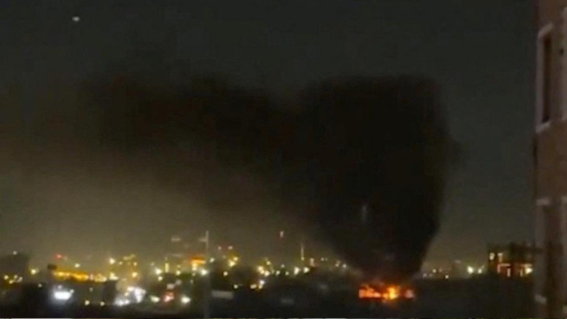
The statement comes at a time when tensions involving Iran, United States, and Israel have intensified. Military activity has increased across several parts of the Middle East, including missile strikes, drone attacks, and heightened security alerts in multiple countries.
Iranian officials have repeatedly warned that continued pressure or military action against the country could lead to wider regional consequences. The IRGC spokesperson said Iran has the capability to respond strongly to threats and will not hesitate to defend its sovereignty and national interests.
The comments also reflect growing confidence among Iranian military leaders, who claim that their forces are capable of sustaining long-term operations if the conflict continues. Iran’s military has invested heavily in missile systems, drone technology, and regional alliances, which officials say strengthen the country’s defensive and offensive capabilities.
Meanwhile, the ongoing conflict has raised concerns across the international community. Governments around the world are closely monitoring the situation, fearing that further escalation could destabilize the entire Middle East.
One of the biggest concerns is the potential impact on global energy supply. The region includes key oil-producing countries and important shipping routes for global trade. Any prolonged military confrontation could threaten energy infrastructure and disrupt oil exports, which may affect global markets and fuel prices.
Diplomatic efforts are continuing as several countries call for restraint and dialogue. International leaders have urged all parties involved to avoid further escalation and focus on negotiations to reduce tensions.
However, the strong statement from the IRGC indicates that Iran intends to maintain its firm stance. By declaring that it will decide when the war ends, Tehran is sending a message that it will not accept external pressure regarding its military strategy.
Analysts say the situation remains highly unpredictable. While some political leaders are hopeful that diplomatic efforts could eventually reduce tensions, the ongoing military rhetoric suggests that the conflict may continue for some time.
For now, Iran’s statement highlights the deep divisions and strategic rivalry shaping the Middle East crisis. The coming weeks will likely determine whether diplomatic initiatives can ease tensions or whether the conflict will continue to intensify across the region.
Summary :
Iran’s Revolutionary Guard said Tehran will decide when the ongoing war ends, warning it is ready for prolonged conflict while tensions with the United States and Israel continue to escalate.