

24 February 2026 Punjab Khabarnama Bureau : Scrub typhus, once considered a disease limited to farmers, forest workers, and people living close to fields, is now increasingly being detected inside urban and semi-urban homes. Doctors across India are warning that this potentially fatal fever is no longer confined to agricultural landscapes and is quietly entering living rooms, bedrooms, and neighbourhoods far removed from farms.
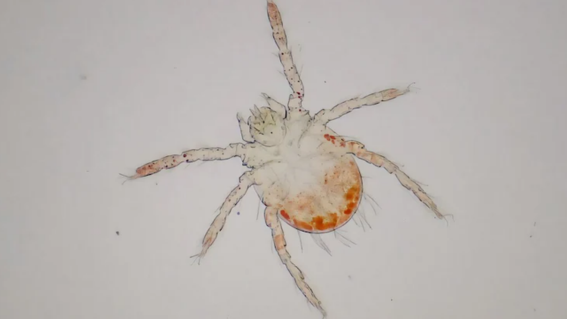
Scrub typhus is caused by bacteria transmitted through the bite of infected chiggers, a type of mite traditionally found in grassy, bushy, and scrub-covered areas. For decades, infections were linked mainly to outdoor exposure during farming, trekking, or forest activity. However, changing living conditions, urban expansion, climate patterns, and poor waste management are altering the habitat of these mites, allowing them to thrive closer to human dwellings.
Medical experts say rapid urbanisation has blurred the boundary between rural and urban spaces. Empty plots, overgrown vegetation, uncollected garbage, and damp surroundings within residential colonies are creating ideal breeding grounds for rodents and mites. These rodents act as hosts for infected chiggers, which then spread to humans, even without direct exposure to fields or forests.
Another factor contributing to the spread is climate change. Warmer temperatures and irregular rainfall patterns have increased humidity levels, helping mites survive longer and expand into new areas. Doctors note a clear rise in scrub typhus cases during and after the monsoon, with patients reporting no history of outdoor or agricultural work.
What makes scrub typhus particularly dangerous is how easily it is misdiagnosed. The early symptoms — fever, headache, body aches, cough, and fatigue — closely resemble viral infections such as dengue, malaria, or typhoid. Many patients are initially treated for common fevers, losing valuable time. In some cases, a dark scab-like mark known as an eschar appears at the site of the bite, but it is often painless and hidden under clothing, making it easy to miss.
Doctors warn that delayed diagnosis can lead to severe complications, including pneumonia, liver failure, kidney damage, brain inflammation, and even death. Children and the elderly are especially vulnerable, but healthy adults can also develop life-threatening illness if treatment is delayed.
The shift of scrub typhus into homes has also been linked to lifestyle changes. Increased indoor clutter, storing unused items, poorly ventilated rooms, and keeping pets without proper hygiene can attract rodents. Construction activity near residential areas further disturbs rodent habitats, pushing them into homes in search of shelter.
Public health officials emphasise that prevention now requires household-level awareness, not just rural precautions. Simple measures such as keeping homes clean, clearing overgrown vegetation around houses, disposing of garbage properly, sealing cracks in walls, and controlling rodent populations can significantly reduce risk. Wearing full-length clothing while cleaning storage areas or gardens and bathing after exposure to dust or debris are also recommended.
Early medical attention is critical. Experts stress that any fever lasting more than five days, especially when accompanied by breathlessness, confusion, or abdominal pain, should prompt testing for scrub typhus. The disease responds well to antibiotics if detected early, making timely diagnosis a lifesaving factor.
Health authorities are urging doctors to maintain a high level of suspicion, particularly during the monsoon and post-monsoon months. Increased awareness among families, combined with improved diagnostic vigilance, could help curb the growing threat of this once-forgotten fever now finding its way into Indian homes.
Summary:
Scrub typhus, once limited to farms, is now spreading into homes due to urbanisation, climate change, and poor hygiene, with experts warning that delayed diagnosis can cause severe complications and deaths.