

18 February 2026 Punjab Khabarnama Bureau : Iran expressed cautious optimism on Wednesday after a fresh round of indirect nuclear negotiations with the United States in Geneva, but Washington made clear that critical differences remain unresolved, particularly around its so-called “red lines.”
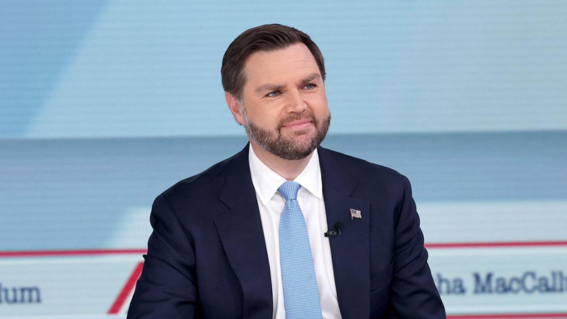
Iranian officials said the talks — mediated by Oman and aimed at defusing escalating tensions over Tehran’s nuclear programme — had produced agreement on a set of guiding principles that could lay the groundwork for a future deal. However, J. D. Vance, the U.S. vice president leading the American delegation, stressed that Iran had yet to acknowledge key conditions set by President Donald Trump.
The second round of talks, held on Tuesday in the Swiss city, comes amid heightened U.S.–Iran tensions sparked by disagreements over Tehran’s uranium enrichment, regional activities, and broader geopolitical strain. Both sides appear to be seeking a diplomatic path forward, though significant gaps persist.
Tehran’s Take: Constructive and Positive
Iran’s Foreign Minister Abbas Araghchi described the discussions as “more constructive” than the previous round earlier this month, saying negotiators had reached consensus on several broad principles that could serve as the basis for drafting a more detailed agreement. The talks focus primarily on preventing conflict and addressing concerns over Iran’s nuclear activities.
“We were able to reach broad agreement on a set of guiding principles, based on which we will move forward and begin working on the text of a potential agreement,” Araghchi said in televised remarks, according to reports. “Good progress has been made compared with the previous round, and we now have a clear path ahead.”
Both sides agreed that, once draft texts are prepared, they will be exchanged and a date set for a third round of negotiations, though no timetable has been officially announced.
Tehran also reiterated that it seeks sanctions relief as part of any eventual pact — a key Iranian objective as crippling U.S. economic penalties continue to weigh heavily on its economy.
Vance’s Message: Red Lines Still Unresolved
Despite Tehran’s upbeat tone, Vance offered a more cautious assessment in an interview with Fox News, acknowledging some positive aspects of the talks but underlining that Iran has not yet accepted all of Washington’s red lines.
“In some ways, it went well; they agreed to meet afterwards,” Vance said. “But in other ways, it was very clear that the president has set some red lines that the Iranians are not yet willing to actually acknowledge and work through.”
Although Vance did not specify each of these “red lines,” previous U.S. statements have indicated expectations around limiting Iran’s uranium enrichment to non-weapons-grade levels and addressing issues such as ballistic missile development.
Vance also stressed that the administration would continue to pursue diplomacy “as long as possible,” but made clear that President Trump retains the option to end negotiations if progress stalls. “The president reserves the ability to say when he thinks that diplomacy has reached its natural end,” he said.
Tensions Underlying Diplomacy
Diplomacy is unfolding against a backdrop of persistent military posturing and geopolitical friction. Iran has recently conducted war games in the Strait of Hormuz, a vital oil shipping route, and its supreme leader, Ali Khamenei, issued stark warnings to the United States about its naval deployments in the region.
Meanwhile, Washington has beefed up its military presence, including repositioning aircraft carriers and fighter aircraft to underscore its pressure on Tehran. Some U.S. officials and regional partners have signalled that military options remain on the table should diplomatic efforts fail.
The talks also occur in the shadow of Iran’s domestic challenges, including ongoing unrest that erupted after a harsh government crackdown on antigovernment protests. These internal pressures add urgency to Tehran’s desire for sanctions relief, even as it resists foreign demands seen as impinging on its sovereignty.
A Fragile Path Forward
Analysts say that reaching a comprehensive agreement will remain complex, given the entrenched mistrust between Washington and Tehran and the absence of direct diplomatic relations for decades. While both sides have shown willingness to continue discussions, the unresolved red lines — particularly around Iran’s nuclear capabilities — underscore fundamental differences in expectations.
The next phase of negotiations will likely focus on translating the agreed guiding principles into concrete draft texts that address the core issues dividing the two sides. Whether Tehran will eventually accept the U.S. red lines — and whether Washington will adjust its demands in response to Iranian sensitivities — remains uncertain.
For now, Geneva has provided a narrow diplomatic opening, but much work lies ahead before a substantive deal can be achieved.
Summary
Iran says talks with the U.S. produced agreement on guiding negotiation principles, but Vice President JD Vance says Tehran has not yet accepted key U.S. “red lines,” keeping major gaps unresolved.