

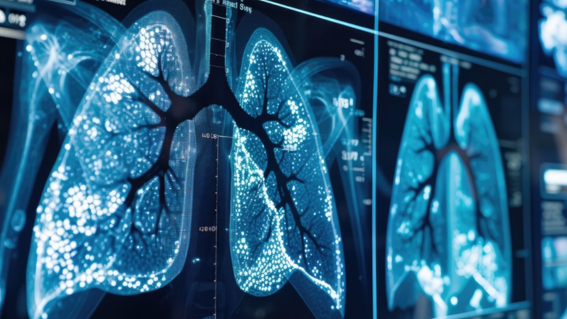
4 February 2026 Punjab Khabarnama Bureau : Computer-aided detection (CAD) technology used in chest X-rays has demonstrated diagnostic accuracy comparable to that of trained radiologists, according to recent medical research. The findings mark a significant milestone in the use of artificial intelligence in healthcare and highlight the growing role of technology in supporting clinical decision-making, particularly in areas facing shortages of specialist doctors.
The study evaluated the performance of CAD software in identifying abnormalities on chest X-rays, including signs of pulmonary tuberculosis and other lung-related conditions. Researchers compared the software’s results with interpretations made by experienced radiologists and found a strong level of agreement between the two. In many cases, the CAD system was able to detect abnormalities with a level of accuracy similar to human experts.
Chest X-rays are among the most commonly used diagnostic imaging tools worldwide. They are essential for detecting infections, lung diseases, and other thoracic conditions. However, accurate interpretation requires trained radiologists, who are often in short supply, especially in low- and middle-income countries. This gap has driven interest in AI-based solutions that can assist or supplement human expertise.
The computer-aided detection system analysed X-ray images using advanced algorithms trained on large datasets of annotated medical images. These algorithms learn to recognise patterns associated with disease, such as changes in lung texture, opacities, or structural abnormalities. Once trained, the system can quickly analyse new images and flag areas of concern for further review.
Researchers noted that the CAD tool performed particularly well in screening scenarios, where large numbers of X-rays must be assessed rapidly. In such settings, the technology can help prioritise cases that require urgent attention, allowing healthcare providers to allocate resources more efficiently. This capability is especially valuable in tuberculosis screening programmes, where early detection is critical to controlling disease spread.
While the results are encouraging, experts emphasised that computer-aided detection is not intended to replace radiologists. Instead, it is designed to act as a support tool, enhancing accuracy and reducing workload. By serving as a second reader, CAD systems can help minimise human error, reduce fatigue-related mistakes, and improve overall diagnostic confidence.
The study also highlighted the potential of CAD technology to standardise interpretations across different healthcare settings. Variability in readings can occur due to differences in experience or workload among radiologists. AI-based tools offer consistent analysis, which can be particularly beneficial in regions where access to specialist care is limited.
Despite its promise, researchers cautioned that CAD systems must be carefully validated before widespread adoption. Factors such as image quality, patient demographics, and disease prevalence can influence performance. Ongoing monitoring and regular updates to the algorithms are necessary to ensure reliability and fairness in diverse populations.
Ethical considerations were also discussed, including the importance of transparency and accountability when AI tools are used in clinical practice. Clear guidelines are needed to define responsibility in cases of misdiagnosis and to ensure that patient care remains under human supervision.
Healthcare policymakers and providers are increasingly viewing AI-powered diagnostics as part of the solution to global healthcare challenges. With appropriate regulation and integration, computer-aided detection systems could help bridge gaps in access to quality diagnostics, improve early disease detection, and support overburdened healthcare systems.
Overall, the findings reinforce the growing evidence that artificial intelligence can match human performance in specific medical tasks. As technology continues to advance, collaboration between clinicians and AI systems is expected to play a central role in the future of diagnostic medicine.
Summary:
A study found computer-aided detection systems for chest X-rays perform as accurately as radiologists, showing strong potential to support diagnosis, improve screening, and address specialist shortages.