

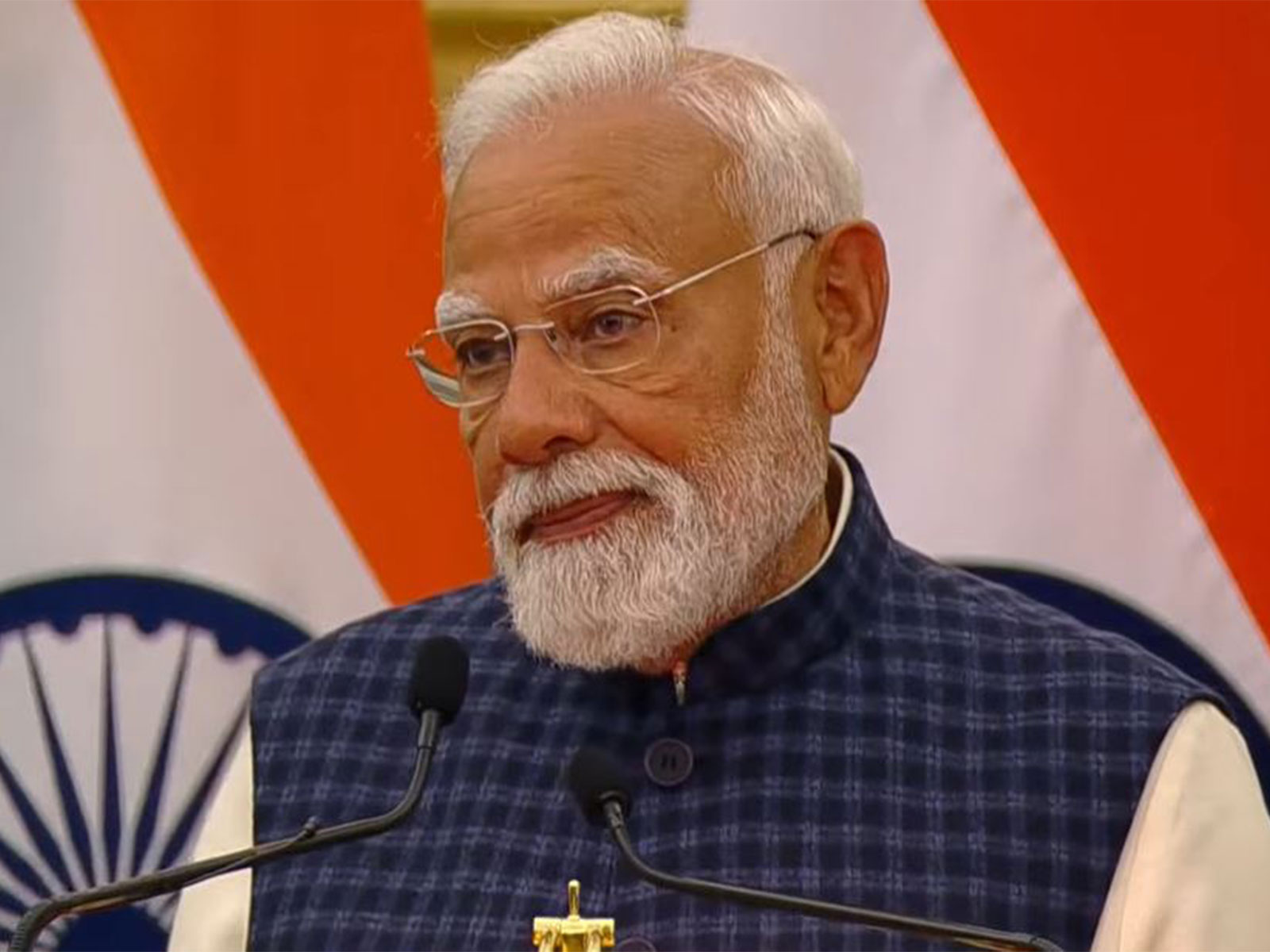
27 January 2026 Punjab Khabarnama Bureau : Prime Minister Narendra Modi has called for urgent reforms in international institutions, stressing that global bodies must evolve to effectively address the challenges of a rapidly changing world. Speaking amid growing geopolitical instability and economic uncertainty, the Prime Minister said that outdated structures and decision-making frameworks are no longer adequate to deal with today’s complex global realities.
His remarks come at a time when the world is grappling with conflicts, economic disruptions, climate challenges, technological transformations, and shifting power dynamics. Modi’s call adds to India’s consistent position that global governance institutions must become more representative, inclusive, and responsive to contemporary needs.
A Changing Global Order
In his address, the Prime Minister highlighted that the world is witnessing significant “turmoil in the global order”, marked by rising geopolitical tensions, conflicts in multiple regions, disruptions in global supply chains, and growing mistrust among nations. According to him, institutions created in the aftermath of the Second World War were designed for a different era and now struggle to respond effectively to modern crises.
He pointed out that many developing nations, despite being deeply affected by global decisions, remain underrepresented in key international forums, creating an imbalance in global decision-making. Modi argued that unless international bodies become more democratic and inclusive, their credibility and effectiveness will continue to weaken.
Push for Fair Representation
India has long advocated for reforms in institutions such as the United Nations Security Council, global financial organisations, and multilateral platforms. Modi reiterated that countries representing a significant share of the world’s population and economic growth must have a stronger voice in shaping global policies.
He stressed that emerging economies, particularly from the Global South, are playing an increasingly important role in driving global growth, innovation, and stability. However, their limited participation in key global decision-making bodies does not reflect current realities.
According to Modi, meaningful reform is not about disrupting the global system but about strengthening it through fairness, transparency, and inclusivity.
Challenges Demanding Collective Action
The Prime Minister underlined that today’s challenges are not confined to national borders. Issues such as climate change, pandemics, terrorism, cyber threats, energy insecurity, and economic inequality require coordinated global responses.
He noted that the COVID-19 pandemic exposed serious gaps in global cooperation and preparedness. Similarly, climate-related disasters and conflicts have shown how interconnected the world has become. In such a scenario, weak or outdated institutions risk delaying solutions rather than enabling progress.
Modi emphasised that reforming global institutions is essential to ensure that collective action becomes faster, fairer, and more effective.
India’s Growing Role on the World Stage
India’s call for institutional reform is also linked to its expanding global influence. Over the years, the country has positioned itself as a voice for developing nations and the Global South. Through platforms such as international summits and multilateral engagements, India has consistently raised concerns related to equitable development, climate justice, and access to resources.
The Prime Minister’s remarks reflect India’s aspiration to play a more active role in shaping global governance structures. With its growing economy, large population, and expanding diplomatic footprint, India argues that it is well placed to contribute constructively to international decision-making.
Global Reactions and Strategic Significance
Modi’s comments have drawn attention because they echo a growing sentiment among several countries that the existing global architecture no longer reflects current geopolitical realities. Many nations, especially in Asia, Africa, and Latin America, have increasingly questioned the dominance of a few powerful countries in key institutions.
Experts believe that India’s consistent push for reform strengthens its position as a leading voice for equitable global governance. Analysts also suggest that such statements carry strategic significance as global power dynamics continue to shift.
Balancing Cooperation and National Interest
While advocating for global reforms, Modi also emphasised the importance of balancing international cooperation with national interests. He stressed that reforms should not weaken the multilateral system but rather make it more resilient and capable of addressing crises effectively.
He called on the international community to move away from rigid approaches and embrace dialogue, mutual respect, and cooperation as the foundation for global stability. According to him, genuine reform requires political will, shared responsibility, and a collective commitment to a fairer world order.
Relevance in Today’s Context
The Prime Minister’s statement comes against the backdrop of rising global uncertainty. Ongoing conflicts, economic volatility, technological disruption, and climate emergencies have highlighted the limitations of existing international mechanisms.
Many global observers believe that calls for reform are no longer just ideological but practical necessities. Without changes in structure and representation, global institutions risk losing legitimacy and relevance in the eyes of large sections of the world.
Conclusion
Prime Minister Narendra Modi’s call for reforms in international institutions reflects a broader global debate about the future of global governance. By urging the world to adapt institutions to today’s realities, he has once again positioned India as a strong advocate for equity, inclusivity, and meaningful multilateralism.
As global challenges grow more complex, the demand for reform is likely to intensify. Whether the international community moves towards meaningful change remains to be seen, but voices like India’s are ensuring that the issue stays firmly on the global agenda.
Summary
PM Modi has urged reforms in international institutions to address modern global challenges, saying outdated systems cannot manage current turmoil and calling for more inclusive, representative, and effective global governance structures.