

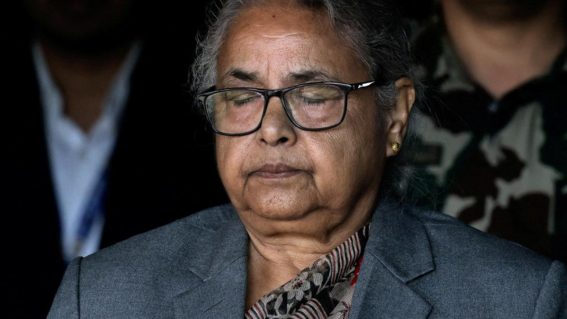
21 January 2026 Punjab Khabarnama Bureau : In a significant political development ahead of Nepal’s upcoming elections, four ministers from Prime Minister Karki’s cabinet have resigned from their posts, signaling the formal start of high-stakes electoral maneuvering within the country’s ruling establishment. The resignations are being widely interpreted as both a strategic move by the ministers to focus on their campaigns and an indication of shifting political dynamics within the government.
According to political observers in Kathmandu, the ministers submitted their resignations in recent days after internal consultations within their respective parties. Their decision reflects a long-standing political convention in Nepal, where candidates stepping into active campaign mode often vacate executive roles to avoid allegations of misuse of official machinery and to demonstrate commitment to fair electoral practices.
A Strategic Political Move
The resignations come at a time when political parties across Nepal are intensifying preparations for what is expected to be a highly competitive election. Analysts believe that by stepping down now, the former ministers aim to strengthen their credibility with voters, positioning themselves as leaders willing to prioritize democratic values over personal power.
Party insiders suggest that the ministers plan to dedicate their full attention to constituency outreach, public meetings, and coalition-building efforts. With public sentiment increasingly focused on accountability, governance, and economic stability, candidates are under pressure to present themselves as transparent and accessible leaders.
Impact on the Karki Government
The sudden exit of four cabinet members is likely to have a noticeable impact on the functioning of Prime Minister Karki’s government. While the administration has publicly maintained that governance will continue uninterrupted, opposition leaders have seized the moment to question the stability of the cabinet.
Political commentators note that such resignations can have a ripple effect, potentially encouraging other ministers or senior party leaders to reconsider their positions if electoral ambitions intensify. However, allies of the prime minister insist that the government remains stable and capable of completing its agenda during the remaining term.
Opposition Reacts Sharply
Opposition parties have responded swiftly, framing the resignations as evidence of internal dissatisfaction within the ruling coalition. Several opposition leaders have argued that the ministers’ departure reflects growing discomfort with government performance and declining public confidence.
“This is not just about contesting elections,” said one senior opposition figure. “It is also about distancing themselves from an administration that has struggled to deliver on key promises.” Such statements underline how the political narrative is already being shaped well before the official campaign period begins.
Public Perception and Voter Sentiment
For ordinary citizens, the resignations have triggered mixed reactions. Some voters view the move positively, seeing it as a responsible step that promotes ethical politics. Others, however, remain skeptical, arguing that resignations alone do not guarantee meaningful change unless accompanied by stronger commitments to governance reforms.
In urban areas such as Kathmandu, political discussions on social media and community forums suggest that voters are increasingly focused on issues like employment, inflation, infrastructure development, and corruption. The resigning ministers will now face the challenge of convincing constituents that they can deliver concrete results if re-elected.
Election Season Gains Momentum
With the resignations, Nepal’s political atmosphere has visibly shifted into election mode. Party offices are witnessing increased activity, strategy meetings are becoming more frequent, and grassroots mobilization is intensifying across provinces.
Political strategists believe that the coming weeks will see more announcements, realignments, and possibly further resignations as candidates finalize their plans. Alliances among parties may also evolve, depending on electoral calculations and regional dynamics.
Democratic Norms and Institutional Practices
Experts on South Asian politics point out that such resignations, while politically motivated, also highlight an important democratic norm. By stepping down before contesting elections, ministers help preserve the integrity of state institutions and reinforce the principle that public office should not be used for personal electoral gain.
This practice, they argue, contributes to strengthening public trust in democratic processes, particularly in countries like Nepal where democratic institutions continue to evolve amid frequent political transitions.
Challenges Ahead for the Resigning Ministers
While the decision to resign may enhance the ministers’ public image, it also exposes them to the harsh realities of electoral competition. Without the visibility and authority that comes with ministerial office, they will need to rely more heavily on their track records, party networks, and personal rapport with voters.
Campaigning in Nepal is often shaped by local issues, ethnic dynamics, and grassroots connections. Success will depend not only on national popularity but also on how effectively candidates engage with community-level concerns.
Looking Forward
As Nepal moves closer to polling day, the political landscape is expected to become increasingly dynamic. The resignations of four ministers from the Karki government may prove to be just the beginning of a broader reshuffle in political strategies across parties.
For now, the development underscores one clear reality: the election battle has begun in earnest, and both the ruling party and the opposition are gearing up for a contest that could significantly shape Nepal’s political future.
Summary
Four ministers have resigned from Prime Minister Karki’s cabinet to contest Nepal’s upcoming elections, intensifying political activity, raising questions about government stability, and marking the formal start of a highly competitive campaign season.
