

8 January 2026 Punjab Khabarnama Bureau : A growing body of scientific evidence is raising concerns about the long-term health effects of heavily processed foods, and a new study has added fresh urgency to the debate. According to researchers, frequent consumption of processed foods containing chemical preservatives may significantly increase the risk of developing certain types of cancer, particularly when such foods form a large part of the daily diet.
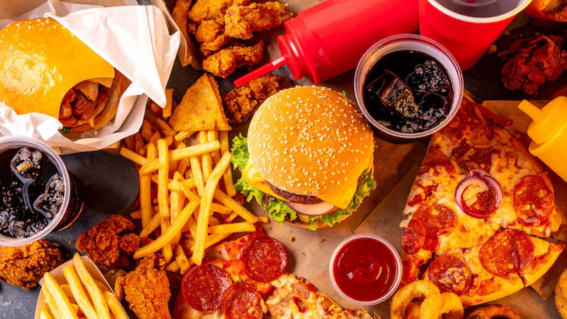
Processed foods are products that have been altered from their natural state through methods such as canning, freezing, packaging, or the addition of preservatives to extend shelf life. Common examples include packaged snacks, instant noodles, processed meats, ready-to-eat meals, sugary beverages, and baked goods. While these foods are popular for their convenience and affordability, scientists warn that their long-term health consequences may be more serious than previously understood.
The study, conducted by a team of nutrition and public health researchers, examined dietary patterns of thousands of participants over several years. Researchers focused on the intake of foods containing preservatives such as nitrates, nitrites, sulfites, benzoates, and artificial antioxidants. These substances are widely used in the food industry to prevent spoilage, improve appearance, and enhance flavor.
Findings suggest that individuals who consumed high amounts of preservative-laden processed foods had a higher incidence of cancers, particularly colorectal, stomach, and breast cancers. While the study does not claim that preservatives alone cause cancer, it highlights a strong association that warrants caution and further investigation.
One of the key concerns raised by the researchers is how certain preservatives behave once they enter the human body. For example, nitrates and nitrites, commonly found in processed meats such as sausages, bacon, and deli meats, can convert into carcinogenic compounds called nitrosamines under specific conditions. These compounds have long been linked to cancer development in animal studies and are now increasingly associated with human cancers.
Additionally, highly processed foods are often low in fiber, vitamins, and antioxidants, while being high in salt, unhealthy fats, and refined sugars. This nutritional imbalance may further contribute to cancer risk by promoting inflammation, obesity, and insulin resistance — all known risk factors for several cancers.
Experts involved in the study emphasized that dietary patterns matter more than occasional indulgence. “Eating processed food once in a while is unlikely to cause harm,” one researcher noted. “The problem arises when these foods replace fresh, whole foods in everyday meals.”
The findings are particularly relevant for urban populations, where busy lifestyles and aggressive food marketing have made processed foods a dietary staple. In many countries, including India, the consumption of packaged and ultra-processed foods has increased sharply over the past decade, especially among children and young adults.
Public health specialists warn that children exposed early to diets high in processed foods may face long-term health risks extending well into adulthood. Apart from cancer, excessive intake of processed foods has already been linked to heart disease, diabetes, obesity, and metabolic disorders.
However, researchers caution against panic and stress that the study highlights risk, not certainty. Cancer is a complex disease influenced by multiple factors, including genetics, lifestyle, physical activity, smoking, alcohol consumption, and environmental exposures. Diet is just one piece of the puzzle, though an important one.
Nutritionists recommend practical steps to reduce potential risks. These include choosing fresh fruits and vegetables, whole grains, legumes, nuts, and home-cooked meals whenever possible. Reading food labels carefully to limit products with long ingredient lists, artificial additives, and preservatives is another key recommendation.
Health authorities also urge policymakers to strengthen food labeling laws, regulate marketing of ultra-processed foods, and promote public awareness about healthier dietary choices. Some countries have already introduced warning labels on foods high in salt, sugar, or unhealthy fats to guide consumers.
The study adds to mounting evidence that food choices play a crucial role in long-term health. While preservatives help prevent food wastage and ensure safety, excessive reliance on processed foods may come at a hidden cost.
As researchers continue to explore the links between diet and cancer, the message for consumers is becoming increasingly clear: moderation is essential, and a diet rich in fresh, minimally processed foods remains one of the most effective ways to protect long-term health.
Summary
A new study suggests frequent consumption of preservative-rich processed foods may increase cancer risk, reinforcing the importance of balanced diets centered on fresh, minimally processed foods for long-term health.