

7 January 2026 Punjab Khabarnama Bureau : Hyderabad’s government hospitals are grappling with an acute shortage of doctors and severely inadequate emergency care facilities, creating a crisis that is directly impacting patient safety and quality of treatment, the Human Rights Forum (HRF) has alleged. In a strongly worded statement, the civil rights organisation warned that unless urgent corrective measures are taken, the public healthcare system in the city could face further deterioration, leaving vulnerable sections of society at the greatest risk.
According to HRF, several major government hospitals in Hyderabad are operating with far fewer doctors than required, particularly in critical departments such as emergency medicine, trauma care, anaesthesia, and intensive care units. This shortage has resulted in long waiting hours for patients, overworked medical staff, and delayed medical interventions — factors that can prove fatal in emergency situations.
The forum pointed out that emergency departments, which are meant to function round the clock with adequate staffing and resources, are often understaffed during night shifts and weekends. In some hospitals, a single doctor is reportedly handling dozens of emergency cases at a time, making it nearly impossible to provide timely and attentive care. HRF said this not only compromises patient outcomes but also places immense mental and physical strain on healthcare professionals.
Poor emergency infrastructure has further aggravated the situation. HRF highlighted the lack of fully equipped trauma units, insufficient ventilators, outdated diagnostic equipment, and delays in laboratory reports as major concerns. Ambulance services, it added, are often stretched thin, leading to critical delays in patient transfers between hospitals or from accident sites to emergency wards.
The organisation noted that Hyderabad, despite being a major metropolitan city and a hub for medical education and private healthcare, presents a stark contrast in its public hospital system. While private hospitals offer advanced emergency services at high costs, government hospitals remain the primary option for economically weaker sections. The existing gaps, HRF warned, effectively deny timely and quality healthcare to those who cannot afford private treatment.
HRF also raised concerns about the uneven distribution of doctors across hospitals. While a few large institutions receive relatively better staffing, smaller government hospitals and peripheral facilities face severe shortages. This imbalance results in overcrowding at major hospitals, further straining emergency services and increasing the risk of medical errors.
Another key issue highlighted was the delay in recruitment and posting of medical professionals. HRF alleged that bureaucratic bottlenecks, delayed approvals, and lack of long-term workforce planning have contributed to vacant positions remaining unfilled for years. In some cases, doctors are working on temporary or contractual arrangements, leading to instability and high turnover.
Emergency care protocols and training were also flagged as areas of concern. HRF said that many hospitals lack regular training programmes for handling trauma, cardiac emergencies, and mass casualty incidents. Inadequate coordination between departments during emergencies further worsens outcomes, particularly in time-sensitive cases such as road accidents, strokes, and heart attacks.
The forum urged the Telangana government to treat the issue as a public health emergency and take immediate steps to strengthen the system. Its recommendations included fast-tracking the recruitment of doctors and nurses, ensuring adequate staffing in emergency departments, upgrading infrastructure, and improving ambulance and referral services. HRF also called for transparent audits of staffing levels and emergency care readiness across all government hospitals in Hyderabad.
Public health experts echoed similar concerns, stating that doctor shortages are not just a numbers issue but also reflect broader systemic problems. They emphasised the need for better working conditions, competitive pay, and career growth opportunities to attract and retain doctors in government service. Without addressing these underlying factors, experts warned, shortages are likely to persist.
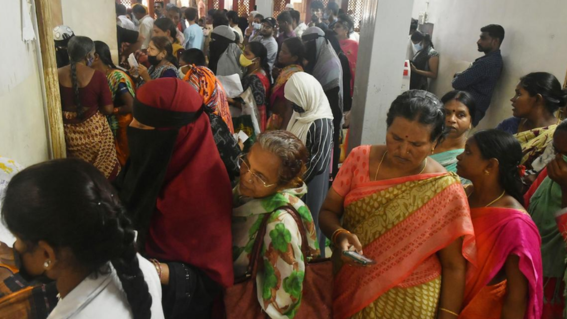
Patients and attendants at government hospitals have repeatedly voiced complaints about overcrowded emergency wards, long waits, and lack of communication. For many families, delays in emergency care can mean the difference between life and death. HRF stressed that access to emergency healthcare is a fundamental right and that failure to provide it amounts to a violation of the right to life and health.
As Hyderabad continues to grow rapidly, with rising population and traffic-related injuries, the demand for robust emergency healthcare is only increasing. HRF cautioned that without immediate intervention, the existing gaps could widen further, placing an unbearable burden on both patients and frontline medical workers.
The organisation said it plans to continue monitoring the situation and engage with authorities, healthcare professionals, and the public to push for urgent reforms. For now, its warning serves as a stark reminder that strong healthcare infrastructure is not just about buildings and equipment, but about ensuring enough trained professionals are available to save lives when it matters most.
Summary
The Human Rights Forum has warned that acute doctor shortages and weak emergency care in Hyderabad’s government hospitals are endangering patients, urging urgent recruitment, infrastructure upgrades, and systemic healthcare reforms.