

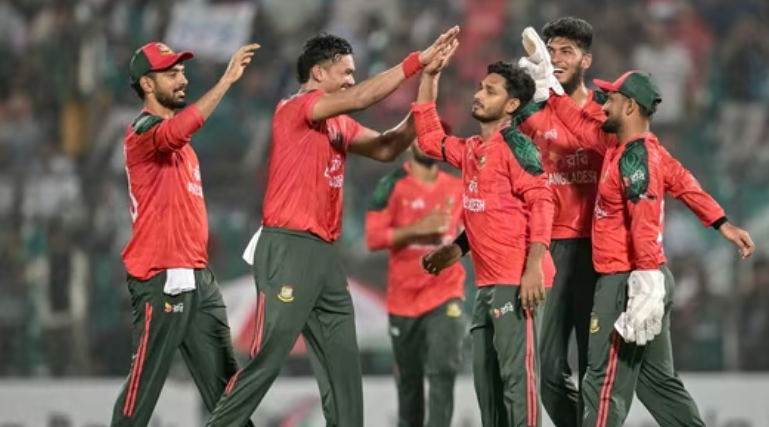
5 January 2026 Punjab Khabarnama Bureau : Bangladesh has requested the International Cricket Council to relocate its scheduled T20 World Cup matches out of India, citing safety and security concerns. If the ICC agrees to this move, it would mark a significant departure from the original tournament plan and could result in financial and logistical repercussions for the Board of Control for Cricket in India. The ramifications would span revenue losses, operational challenges, and potential impacts on sponsors and broadcasters. The decision, ultimately driven by player welfare and diplomatic context, would also influence how future events are staged when political and security issues intersect with international sport.
One of the most immediate concerns for the BCCI would be the loss of local revenue tied directly to the Bangladesh fixtures. Matches scheduled in Indian cities typically generate substantial ticket sales from fans, hospitality revenue from corporate boxes and premium seating, and merchandising income from on-ground retail. Moving these matches outside India would mean that all this local revenue would be foregone. While the BCCI earns a large portion of its income from central ICC broadcast deals, match-specific revenues contribute meaningfully to the financial bottom line during a major event.
Sponsors and commercial partners who signed agreements based on a fixed match schedule and host cities could seek adjustments if the venues change. Hospitality packages sold around match days in cities like Kolkata and Mumbai could lose value or require partial refunds or discounts. Local advertisers that base campaigns on high-footfall events might reconsider their commitments or demand compensation, diluting the commercial impact that such global matches typically bring to the host board. If broadcasters reprice rights due to a shift in expected viewership patterns, the BCCI’s overall share of the event revenue could decline, especially in markets where stadium atmosphere and local fan engagement drive advertising rates.
Moving matches also brings logistical costs. Teams, officials, match officials, broadcast crews, and support staff would require revised travel and accommodation arrangements. Stadium operations in India would have planned staffing, security, catering, parking, and other services around the original schedule; adjusting these at short notice tends to increase costs and administrative complexity. These additional operational expenses, while smaller than broadcast revenue, further reduce the financial efficiency of staging the tournament.
Sporting continuity and tournament structure would also be affected. With Bangladesh’s group stage fixtures originally scheduled in India, relocating them could disrupt travel plans for other teams and complicate match sequencing. Other teams in Bangladesh’s group might face tighter travel schedules or inconsistent playing conditions if venues vary, raising fairness and preparation concerns. Administrators would need to coordinate with multiple boards to ensure that these changes do not unfairly disadvantage any participants, adding to the operational burden.
Beyond the financial and logistical aspects, agreeing to move matches sets a precedent in global cricket where political or security issues can influence match venues. Cricket governing bodies have traditionally endeavoured to insulate sporting events from diplomatic tensions, but prioritising safety necessitates flexibility. A decision to relocate could influence future requests from other boards facing similar challenges, particularly in regions with political sensitivities or safety considerations. It could strengthen the argument that player welfare and diplomatic concerns are central to event planning, but also complicate future hosting rights and scheduling certainty.
In summary, if the ICC agrees to relocate Bangladesh’s T20 World Cup matches out of India, the BCCI stands to lose local matchday income from ticketing, hospitality, and merchandising. Commercial deals with sponsors and broadcasters could require renegotiation, potentially reducing the BCCI’s overall share of event revenue. Operational costs would rise as logistics are reworked, and the tournament structure could require adjustments to maintain fairness. Though India’s central broadcast income and overall financial strength mean the board would not face a catastrophic loss, the cumulative financial impact and precedents set would be significant and widely felt throughout the sport.
Summary
If the ICC moves Bangladesh’s T20 World Cup matches out of India, the BCCI would lose local ticketing, hospitality, and commercial revenue while facing logistical costs and potential sponsor and broadcaster adjustments.