

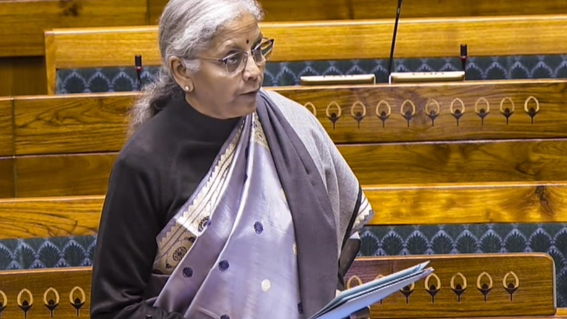
15 December 2025 Punjab Khabarnama Bureau : The Parliament Winter Session entered Day 11 with the Lok Sabha taking up an important financial agenda, as members debated the Supplementary Demands for Grants (Batch-1). The discussion holds significance as it involves additional budgetary allocations sought by the government for various ministries and departments beyond what was approved in the Union Budget.
The proceedings began amid heightened political engagement, with treasury benches defending the need for additional spending while opposition members raised concerns over fiscal discipline, transparency, and prioritisation of funds.
What Are Supplementary Demands for Grants?
Supplementary Demands for Grants are presented when the government requires extra funds for ongoing or new expenditure that could not be foreseen during the presentation of the annual budget. These demands allow ministries to meet essential expenses related to welfare schemes, infrastructure development, defence, pensions, and administrative costs.
Batch-1 of the supplementary demands includes allocations for multiple ministries, reflecting the government’s revised financial needs for the current fiscal year.
Key Highlights From Lok Sabha Debate
During the debate, members from the ruling alliance emphasised that the additional grants were necessary to sustain economic momentum, fund welfare initiatives, and address emerging challenges. They argued that increased spending reflects a responsive government adapting to evolving national needs.
On the other hand, opposition MPs questioned the timing and scale of the supplementary demands, alleging inadequate planning during the original budget exercise. Several members flagged concerns over rising public expenditure and its impact on fiscal deficit targets.
Focus Areas of Supplementary Spending
According to discussions in the House, key sectors likely to receive additional funds include:
- Social welfare and rural development
- Infrastructure and transport projects
- Defence and internal security
- Pensions and salaries
- Health and education-related expenses
Members stressed that timely approval of these grants is essential to ensure uninterrupted functioning of government programmes and services.
Opposition Raises Accountability Issues
Opposition leaders demanded greater accountability and transparency in fund utilisation. They called for detailed explanations regarding previous allocations and questioned whether supplementary grants were being used to cover inefficiencies or cost overruns.
Some MPs urged the government to provide ministry-wise breakups and outcome-based assessments to justify the additional financial requirements.
Government’s Response
Responding to the debate, ministers defended the supplementary demands, stating that economic growth, inflationary pressures, and global uncertainties necessitated flexible fiscal responses. They highlighted that supplementary grants are a standard parliamentary practice and do not necessarily indicate mismanagement.
The government also reiterated its commitment to maintaining fiscal prudence while ensuring that development and welfare goals are not compromised.
Other Developments During Day 11
Apart from the grants debate, Day 11 of the Winter Session witnessed:
- Continued verbal sparring between ruling and opposition members
- Demands for discussions on pressing national issues
- Appeals for maintaining decorum during proceedings
Some disruptions were reported during the early hours, but the House largely functioned to take up scheduled business.
Rajya Sabha Proceedings
In the Rajya Sabha, discussions on separate legislative and policy matters were expected, with members raising issues related to governance, public welfare, and regional concerns. Notices for short-duration discussions were also submitted by several MPs.
Importance of Winter Session Agenda
The Winter Session is considered crucial as it allows Parliament to clear pending financial business before the end of the year. Approval of supplementary grants ensures that ministries are not constrained in implementing schemes and meeting statutory obligations.
Political observers note that debates during this session also reflect broader political positioning ahead of upcoming state elections and parliamentary contests.
What Lies Ahead
Following the debate, the supplementary demands are expected to be put to vote, paving the way for the introduction of the Appropriation Bill. The remaining days of the Winter Session are likely to see discussions on key legislation, economic matters, and issues raised by both sides of the House.
With intense political engagement and crucial financial decisions underway, the Winter Session continues to remain eventful.
Conclusion
Day 11 of the Parliament Winter Session saw the Lok Sabha focus on the debate over Supplementary Demands for Grants (Batch-1), highlighting contrasting views on fiscal management and governance. As discussions continue, the outcome will play a key role in shaping government spending for the rest of the financial year.
Summary
Parliament Winter Session Day 11 saw the Lok Sabha debating Supplementary Demands for Grants (Batch-1), with the government defending additional spending and the opposition questioning fiscal discipline and transparency.