

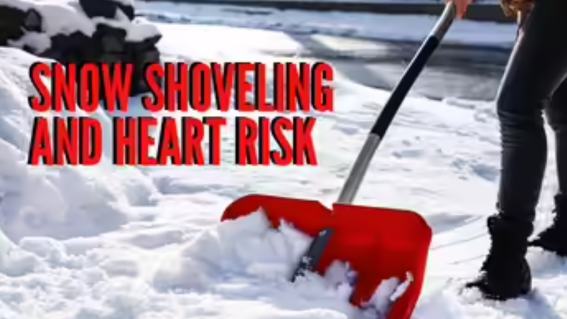
08 December 2025 Punjab Khabarnama Bureau : As winter settles in across many parts of the world, health experts are once again warning the public about a lesser-known seasonal danger: the increased risk of heart strain associated with snow shoveling. While for many people clearing a driveway or walkway is just another winter chore, cardiologists say that the combination of cold temperatures, sudden high-intensity exertion, and underlying health issues can create a perfect storm for cardiovascular stress.
Why Snow Shoveling Can Be Risky
Doctors explain that shoveling snow is often more intense than people expect. It combines heavy lifting, twisting, bending, and pushing — activities that raise heart rate and blood pressure quickly. When this physical effort is performed in cold weather, the heart must work even harder. Cold air can cause blood vessels to tighten, making it more difficult for the heart to pump blood, especially in people who already have narrowed arteries.
Experts emphasize that the risk is particularly higher for people who are not accustomed to regular exercise. “It’s essentially a sudden workout that the body is not prepared for,” a cardiologist noted during a recent winter health advisory. Many individuals who lead mostly sedentary lifestyles may underestimate the strain, picking up a shovel after months of little physical activity.
The Cold Weather Effect
Cold temperatures themselves play a crucial role in increasing cardiovascular load. When the body is exposed to chilly air, it naturally works to preserve warmth by constricting blood vessels. This constriction increases blood pressure, making the heart pump harder to circulate blood.
Additionally, cold weather can affect breathing patterns. Some people take short, rapid breaths when working in snow, which can reduce oxygen intake. Combined with strenuous physical activity, this can place the heart under considerable stress.
Who Is Most at Risk?
While anyone can feel fatigued after shoveling snow, certain individuals face a much higher risk of heart complications. Health experts point to:
- People with a history of heart disease
- Older adults
- Individuals with high blood pressure or high cholesterol
- People with diabetes
- Those who smoke
- Individuals with obesity
- People who live a sedentary lifestyle
Doctors also point out that many of the people who face risks may not even be aware they have underlying heart issues. That makes winter activities like shoveling even more unpredictable.
Warning Signs to Never Ignore
Medical professionals stress that recognising early warning signs is crucial. People may assume discomfort is simply due to exertion or cold weather, but certain symptoms require immediate medical attention, such as:
- Chest discomfort or pressure
- Unusual shortness of breath
- Pain spreading to the arm, shoulder, jaw, or back
- Dizziness or light-headedness
- Sudden fatigue or weakness
- Cold sweats
Experts urge people not to brush off these signs or attempt to “push through” discomfort. Acting quickly can make a significant difference in outcome.
Why Winter Heart Risks Increase Overall
Snow shoveling is not the only winter activity linked to increased cardiovascular stress. Studies show that winters typically see higher rates of heart-related emergencies. Factors include:
- Cold weather constricting arteries
- Higher blood pressure during winter
- Seasonal overeating, especially during holidays
- Reduced physical activity
- Stress linked to travel and weather disruptions
Snow shoveling simply adds another layer to these risk factors.
How People Can Reduce Their Risk
Doctors clarify that the goal is not to frighten people but to encourage awareness and smart choices. People can reduce risk when clearing snow by:
- Taking frequent breaks
- Avoiding sudden, intense movements
- Wearing warm clothing
- Being especially cautious early in the morning when temperatures are lowest
Those with known heart conditions or risk factors are encouraged to consult healthcare providers about safe winter activity levels.
Alternative Solutions for Safety
In many regions, communities encourage safer methods to avoid placing vulnerable people at risk. These include:
- Hiring snow removal services
- Using snow blowers instead of shovels
- Asking younger or healthier family members to help
- Spreading salt to reduce accumulation
- Clearing smaller amounts of snow multiple times instead of one heavy session
Public safety officials also urge neighborhoods to check in on older residents during major snowfalls.
Experts Emphasise Prevention First
Experts agree that while snow shoveling can pose cardiovascular risks, the bigger issue is general heart health. Regular exercise, a balanced diet, adequate hydration, and avoiding smoking can help make the heart more resilient during seasonal stress.
Cardiologists have reiterated that maintaining fitness year-round is one of the best ways to reduce winter-related risks. A heart that is regularly exercised is better equipped to handle sudden physical demands — whether it’s shoveling snow, carrying heavy groceries, or climbing stairs.
Conclusion
Snow shoveling may seem like a simple winter task, but health experts warn that the combination of cold temperatures and strenuous activity can significantly strain the heart, particularly for people with underlying conditions. With proper awareness, early symptom recognition, and preventative health practices, individuals can stay safe while managing winter chores. The message from cardiologists is clear: winter safety starts with understanding your body’s limits and taking precautions to protect your heart.
Summary
Experts warn that snow shoveling can strain the heart due to cold temperatures and intense physical effort. People with underlying health risks should take precautions and recognise early warning signs.